Things to Do in Israel in December
December weather, activities, events & insider tips
Low Season · Budget Friendly
December Weather in Israel
Long-run averages for December in Tel Aviv Yafo
68°F (20°C)
High Temp
54°F (12°C)
Low Temp
4.4 inches (112 mm)
Rainfall
67%
Humidity
8
Rainy Days
3
Sunny-Day UV
⚠ Flash flooding poses real, sudden risk in desert wadis. Dry riverbeds fill fast. The Negev sees this. The Dead Sea area sees this. Never camp in a wadi bed. Heed every road closure sign.
⚠ The Sea of Galilee turns choppy in winter storms. Ferry operators cancel trips without warning. The Jesus Boat museum becomes unreachable. Plan alternatives.
Making the most of December in Israel? Browse tours and activities in Israel on GetYourGuide.
Is December Right for You?
Weigh the advantages and considerations before booking
Advantages
- + December air is crisp enough for a light jacket. The sun still warms the old stones in Jerusalem's alleys. You can shed layers by midday. Walking miles through the Old City's quarters becomes comfortable. You will not sweat through your shirt.
- + Hotels in Tel Aviv that command premium rates in April or October tend to soften. Places like Ein Gedi Spa by the Dead Sea become tolerable, even pleasant. The midsummer furnace that forces you indoors is gone.
- + The landscape turns from brown and dusty to a sudden, surprising green. This happens across the Galilee. The hills around Nazareth ripple with fresh growth. Winter wildflowers start pushing through the earth by month's end.
- + December sees far fewer cruise ship day-trippers mobbing sites like the Church of the Holy Sepulchre. You will often find you have places like the ancient port of Caesarea mostly to yourself. The silent fortress of Masada's summit is yours on a weekday morning.
Considerations
- − That 4.4 inches of rain tends to come in concentrated bursts, usually from the west. The sandy paths at archaeological digs like Beit She'an turn into slick mud. Smaller roads up into the Golan Heights occasionally close for a few hours.
- − Sunset happens around 4:30 PM in late December. This radically shortens your sightseeing window for outdoor sites. Planning a full day at Masada and the Dead Sea requires military precision. Catch the last cable car down.
- − It is not freezing. Evenings in Jerusalem's higher elevations, around 800 meters (2,625 ft), can get chilly. Sitting at an outdoor cafe on Ben Yehuda Street becomes less appealing. The nightlife scene moves entirely indoors.
Short on time in December? See day trips around Israel on GetYourGuide.
Best Activities in December
Top things to do during your visit
December in Israel sees the landscape shift from the intense heat of summer to a mood of gentle, cool transition. With average highs around 68 degrees Fahrenheit and lows near 54, the air carries a crispness, in the hill country, where the scent of damp earth and pine mingles after one of the season's passing showers. The rainfall of 4.4 inches, concentrated across a handful of days, brings a deep green to the hillsides and fills the streams, a stark contrast to the parched months that dominate most of the year. Locals pull light jackets from closets and gather in steamy cafes, the rhythm of life moving indoors while the sun, though weaker, still casts long, clear shadows across ancient stones. This is a month for exploring on foot without summer's exhausting humidity, for feeling the cool, smooth surface of Jerusalem stone under your palm, and for hearing the layered echoes of prayer and conversation in narrow alleyways that feel more intimate without the crush of peak-season crowds. The search for the best time to visit Israel often leads to this month, when the weather balances mild days suitable for wandering with evenings that require a warm layer. While coastal areas like Tel Aviv remain relatively temperate, the interior and higher elevations have a distinct chill, after sunset. Visitors will find the light is softer, the crowds are thinner at major landmarks, and the pace is more reflective. It is a time to taste rich, slow-cooked stews and smoky grilled meats that feel right in the cooler air, and to see the play of winter clouds against the timeless architecture of cities built on history.

Best seller! Jerusalem old city four quarters tour
guided_experienceNavigating the dense, storied lanes of Jerusalem's Old City can feel overwhelming. But this tour provides a structured key to its heart. A guide leads you through the distinct Armenian, Christian, Jewish, and Muslim Quarters, where you will hear the clatter of copper workshops, smell incense wafting from doorways, and see the play of light on centuries-old stone.
It demystifies the complex human and architectural one of the world's most spiritually significant square kilometers.
Insider tip: Start as early as possible to experience the quiet murmur of morning rituals before the main wave of visitors arrives.

JERUSALEM private tour with ELAD VAZANA - Life in Israel & Palestine Then & Now
private_tourThis is not a standard historical recounting but a personal narrative shaped by guide Elad Vazana's own life at the crossroads of cultures. You will feel the weight of recent history in quiet neighborhoods and hear firsthand accounts that add profound context to the headlines, moving beyond the ancient walls to understand the living city.
It offers an unfiltered, human-scale perspective on Jerusalem's contemporary story, past and present woven together.
Insider tip: Come with questions. The value here is in the dialogue and the chance to engage with a subtle local viewpoint.

Full-Day Private and Guided Tour of the Jerusalem's Old City
day_tripFor those who wish to examine without distraction, a full-day private tour allows you to set the pace and focus within Jerusalem's Old City. You can linger to feel the cool, worn smoothness of the Western Wall stones, taste freshly baked pita from a market stall, and discuss layers of history at the Church of the Holy Sepulchre without competing voices.
It provides complete flexibility and deep, personalized engagement with Jerusalem's most well-known sites.
Insider tip: Discuss your specific interests, be it archaeology, theology, or architecture, with your guide at the start to tailor the day precisely.

Private Tour Jerusalem Old City
private_tourA private tour of the Old City grants you the freedom to follow curiosity down a shadowed alley or pause at a vendor selling za'atar-spiced nuts, their earthy aroma filling the air. This experience prioritizes your questions, allowing for detours to see a hidden courtyard or to hear the call to prayer echo off close-set walls without a fixed itinerary.
It transforms a visit into a personal discovery, adapting in real time to what captures your attention.
Insider tip: Wear sturdy, comfortable shoes with good grip for the uneven limestone steps and slopes that define the city's topography.

Magical Walking Tour in Old City of Jerusalem
walking_tourThis walking tour focuses on the atmospheric details often missed: the dappled light filtering through a stone archway, the sound of a fountain in a secluded garden, the feel of a carved wooden door. It is designed to reveal the quieter, more poetic corners of the Old City, away from the main thoroughfares.
It uncovers the intimate, almost secretive charm layered within Jerusalem's monumental history.
Insider tip: The route involves many stairs and narrow passages. It is best for those comfortable with close quarters and moderate inclines.

Explore Jerusalem's Old City
otherThis tour invites a more open-ended exploration of Jerusalem's Old City, balancing major landmarks with the flow of daily life. You might see baskets of glistening olives in the market, touch the textured bark of an ancient tree in a church garden, and hear the polyglot chatter of pilgrims and shopkeepers alike.
It strikes a thoughtful balance between well-known sights and the authentic rhythm of the living city.
Insider tip: Carry a small bottle of water and some local currency for spontaneous purchases like warm sesame bread or a cup of mint tea.
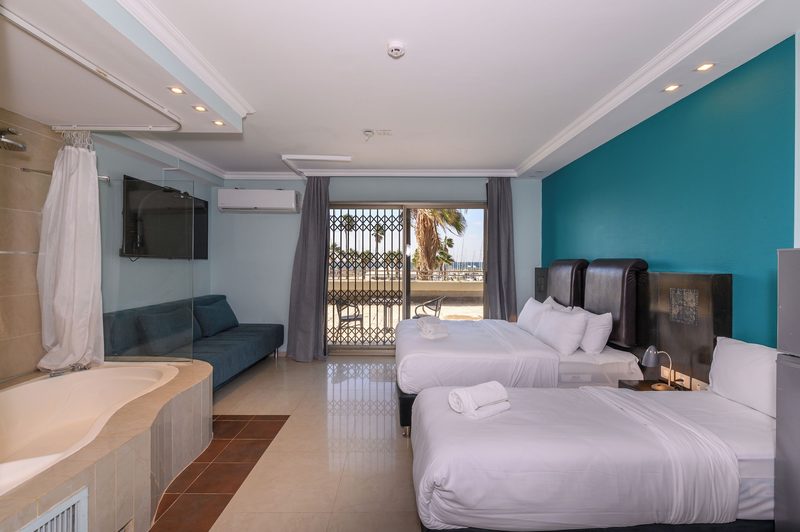
Where to Stay in Israel in December
Hand-picked hotels across price tiers for December travellers.
Packing Checklist
Bookmark this page — your progress is saved between visits
Need the full list with shopping links?
Climate-specific gear, brand recommendations, and what to leave at home.
View Israel Packing List →Essential Tips
Insider knowledge and common pitfalls to avoid
Insider Knowledge
Locals head south to Eilat in December. You might find it too cool for swimming. The Red Sea stays diveable with a thicker wetsuit. Hotels run cheaper. They're blissfully empty of families.
Friday afternoon shuts down hard for Sabbath. In December, early sunset makes this feel abrupt. Do grocery shopping by 2 PM. Get cash by 2 PM. Plan dinner by 2 PM. Most non-kosher Tel Aviv restaurants stay open. In Jerusalem, options vanish.
First rain after the long dry season brings a unique smell. Israelis call it 'reyach ha'geshem': rain on parched earth. The petrichor hits so strong it feels like a cultural event.
Check if your visit overlaps with Hanukkah school holidays. Not as disruptive as Passover. Domestic tourism still picks up. Family-friendly sites get crowded. The Biblical Zoo in Jerusalem fills up. Tel Aviv beaches fill up.
Avoid These Mistakes
Never underestimate driving conditions. Arid roads in the Negev or Golan flash-flood in heavy rains. Never cross flowing streams in a rental car.
Don't pack only for 'Mediterranean winter.' A 20°C (68°F) day in Tel Aviv can feel like 12°C (54°F) in Jerusalem's hills. Same temperature drop hits the Hermon region.
Book a guide for major archaeological sites. Caesarea needs one. Megiddo needs one. Off-season limits on-site audio guides. A live guide turns ruins into story.
Ready to plan your trip to Israel?
Now that you've got the research covered, here's where to go next.
Explore More Activities in Israel
Didn't see anything interesting yet?
Browse Viator's full catalog of tours, day trips, food experiences, and private guides in Israel.
See All Israel Tours on Viator