Things to Do in Israel in March
March weather, activities, events & insider tips
Shoulder Season · Good Value
March Weather in Israel
Long-run averages for March in Tel Aviv Yafo
68°F (20°C)
High Temp
53°F (12°C)
Low Temp
2.4 inches (61 mm)
Rainfall
67%
Humidity
6
Rainy Days
6
Sunny-Day UV
Making the most of March in Israel? Browse tours and activities in Israel on GetYourGuide.
Is March Right for You?
Weigh the advantages and considerations before booking
Advantages
- + March is likely your last window for proper hiking before the summer heat becomes oppressive. The Negev desert, around Mitzpe Ramon, gives you days where the light is crisp and golden. Good for the 5-hour trek through the Makhtesh Ramon crater. No need to start before dawn to avoid sunstroke.
- + Wildflower season hits its peak across the Galilee and Carmel mountains. Entire hillsides turn red with kalanit anemones. The sight is dramatic enough to draw local families out for weekend drives. Up there, the air carries the dry, herbal scent of blooming thyme and za'atar.
- + Easter coincides with Passover, which tends to thin out the usual domestic crowds in cities like Tel Aviv. Israeli families travel to holiday gatherings elsewhere. You can often find shorter lines at the Church of the Holy Sepulchre. Or on Ben Yehuda Street, relatively speaking.
- + Hotel occupancy tends to be lower than the April-May crush. This generally translates to more flexible booking options. The occasional last-minute upgrade happens. Ask politely at check-in.
Considerations
- − March happens to be a month of significant religious holidays for multiple faiths. While fascinating, this means closures. Not just government offices on Jewish holidays. Sporadic closures hit Christian and Muslim quarters in Jerusalem's Old City during their respective observances. Navigating requires a calendar, not just a map.
- − The weather is famously fickle. A bright 20°C (68°F) morning in Jerusalem can shift to a chilly, wind-whipped 12°C (54°F) afternoon in an hour. This happens up in the hills. Meanwhile the Dead Sea might feel like a balmy summer day. Packing layers isn't a suggestion. It's a necessity.
- − If you're dreaming of sunbathing on Tel Aviv's beaches, March is still a coin toss. The water is bone-chillingly cold. The beachfront promenade is more for joggers in fleeces than for large on a towel. The vibe is brisk and local. Not resort-lazy.
Short on time in March? See day trips around Israel on GetYourGuide.
Best Activities in March
Top things to do during your visit
March in Israel is a decisive shift. Winter's wet chill gives way to spring's dry, gathering warmth. Daytime temperatures average a comfortable 68 degrees Fahrenheit. Evenings stay crisp enough for a light jacket. This is the last month of significant rainfall, with an average of just over two inches. The hills of Galilee and the gardens around Jerusalem turn vividly green. Red poppies and purple lupines dot the landscape before summer sun bleaches it. The air carries damp earth and blooming citrus, a fleeting sensory backdrop. Locals shed heavy coats. They fill outdoor cafes in Tel Aviv and hiking trails in the north. They savor these weeks before Passover and Easter's intense heat and crowds, which typically fall in April. Travelers will find conditions good for extensive walking. This matters for engaging with Israel's layered history. Mild weather allows full days exploring ancient stone alleyways. You won't face summer's exhaustion or winter's downpours. Pack layers. Bring sturdy walking shoes. Perhaps add a compact umbrella for occasional showers. No specific festivals are confirmed for March. This relative calm before major spring holidays offers strategic timing. You'll find a more measured pace at significant sites. The climate data shows clear progression: March is noticeably drier and warmer than February. It isn't as hot and arid as April and May. It strikes a balance for covering ground comfortably.

Best seller! Jerusalem old city four quarters tour
guided_experienceThis guided walk partitions Jerusalem's walled core into its quarters. You'll move from the Armenian cathedral's incense-scented shadows to the Roman Cardo's echoing vaults. Feel the Via Dolorosa's worn smoothness underfoot. Hear the call to prayer mingling with church bells in narrow passageways. The tour provides structured framework for understanding this contested space's physical and spiritual geography. The scent of baking bread from a Christian bakery wafts alongside strong coffee aroma from a Muslim-owned café.
It efficiently deciphers the complex, overlapping narratives of Christianity, Judaism, and Islam within these ancient walls.
Insider tip: Wear shoes with excellent traction. Limestone paths worn smooth by millennia of pilgrims can be slippery, after March rain.
This month: Comfortable March temperatures make several hours of required walking on uneven surfaces far more manageable than in summer.

JERUSALEM private tour with ELAD VAZANA - Life in Israel & Palestine Then & Now
private_tourElad Vazana's private tour eschews purely historical recitation. It favors conversation about contemporary life, weaving personal stories from Israeli and Palestinian residents into Jerusalem's stones. You might taste sweet knafeh cheese pastry in the Muslim Quarter while discussing daily realities. Or feel the weight of silence at a viewpoint overlooking the separation barrier. This experience is defined by the guide's lived experience and connections. It offers raw, human-scale context often absent from standard itineraries.
It provides unfiltered, personal perspective on modern city's tensions and coexistence that no scripted tour can match.
Insider tip: Come prepared with questions. The dialogue's depth is shaped by your curiosity and engagement.

Full-Day Private and Guided Tour of the Jerusalem's Old City
day_tripThis intensive private exploration allows deep, tailored immersion into the Old City. Trace the Stations of the Cross. Touch the ancient Western Wall. Observe the Dome of the Rock's intricate tile work from the Temple Mount. The pace follows your interests. Linger in the hushed Chapel of the Ascension if you wish. Decipher the Crusaders' graffiti. Your guide navigates the labyrinth. You'll see monumental highlights while perhaps discovering a quiet courtyard or hidden medieval arch.
It offers ultimate flexibility and depth for thorough, personalized investigation of Jerusalem's most sacred ground.
Insider tip: Discuss your specific religious or historical interests in detail with the guide beforehand. This maximizes the day's focus.

Private Tour Jerusalem Old City
private_tourAnother private option for the Old City, this tour can be customized. Focus on a single faith's landmarks or a comparative study. Move from the Church of the Holy Sepulchre's golden candle glow to solemn prayers tucked into the Western Wall's cracks. You'll hear pottery clatter in the Armenian quarter's workshops. Watch sun catch brilliant mosaics atop the Haram al-Sharif. The value lies in the dedicated guide's ability to adapt on the fly. Bypass congested areas. Dive into detailed explanation based on your questions.
For the privilege of a dedicated scholar-guide who can tailor the journey to your pace and intellectual curiosity without fixed group itinerary.
Insider tip: If visiting the Temple Mount/Al-Aqsa compound is a priority, confirm specific, limited visiting hours for non-Muslims with your guide in advance. These can affect the day's schedule.

Magical Walking Tour in Old City of Jerusalem
walking_tourThis more affordable walking tour emphasizes atmosphere and discovery. It guides you through arches and up staircases often missed by hurried groups. You might feel cool breeze in a secluded Crusader-era hall. Smell thyme and sumac from a spice merchant's stall. Hear rhythmic chanting of yeshiva students from an upstairs window. The focus is creating connection with the living, breathing city beyond postcard sights. Find moments of quiet beauty in the busy maze.
It unlocks atmospheric secrets and lesser-known corners of the Old City with focus on sensory experience and storytelling.
Insider tip: Keep an eye out for subtle architectural details the guide points out, like different crosses carved by various Christian orders above doorways.

Explore Jerusalem's Old City
otherThis exploration provides solid introductory framework to Old City's major landmarks. It efficiently connects well-known sites. You'll see light play on the Pool of Bethesda. Touch the Western Wall's cold, ancient rock. Observe vivid souk life along market streets. It is designed for those wanting complete overview with guide providing essential historical and cultural context. You'll leave with coherent understanding of the area's layout and significance.
It delivers well-rounded, efficient primer on Old City's essential sights and stories for first-time visitors.
Insider tip: Pay attention to transitions between quarters. The change in sound, scent, and visual details is as telling as the monuments themselves.
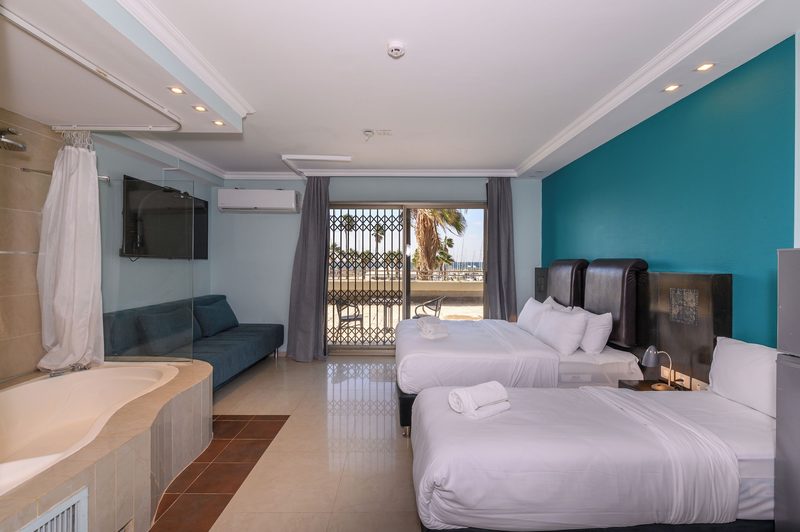
Where to Stay in Israel in March
Hand-picked hotels across price tiers for March travellers.
Packing Checklist
Bookmark this page — your progress is saved between visits
Need the full list with shopping links?
Climate-specific gear, brand recommendations, and what to leave at home.
View Israel Packing List →Essential Tips
Insider knowledge and common pitfalls to avoid
Insider Knowledge
Locals take advantage of the last cool evenings for outdoor seating at cafes. In Tel Aviv's Neve Tzedek or Jerusalem's German Colony, grab a wool blanket often provided by the restaurant and order a glass of local red wine. It's the seasonal ritual.
If you're driving, the wildflower blooms are best seen along Route 98 in the Golan Heights or the scenic roads around the Ella Valley. Just pull over safely. Everyone else is doing it.
March is when you might still find the last of the superb, juicy pomelos in the markets before they disappear for the season. Ask for 'pomela'.
Many museums and national parks offer 'combination tickets' valid for a month. If you're planning to hit several sites like the Israel Museum, Yad Vashem, and Caesarea, it can offer decent value.
Avoid These Mistakes
Underestimating driving times between regions. Traffic, on Sundays (start of the Israeli workweek) and around holidays, can turn a 1-hour Google Maps estimate into a 2.5-hour crawl.
Assuming all 'beach weather' is created equal. The Dead Sea is warm. The Mediterranean is not. Pack accordingly.
Not checking holiday calendars obsessively. A museum you planned to visit on a Tuesday might be closed for Purim; a restaurant in a Muslim quarter might shut early for Ramadan preparations (which often begins in late March).
Ready to plan your trip to Israel?
Now that you've got the research covered, here's where to go next.
Explore More Activities in Israel
Didn't see anything interesting yet?
Browse Viator's full catalog of tours, day trips, food experiences, and private guides in Israel.
See All Israel Tours on Viator