Things to Do in Israel in February
February weather, activities, events & insider tips
Shoulder Season · Good Value
February Weather in Israel
Long-run averages for February in Tel Aviv Yafo
65°F (18°C)
High Temp
50°F (10°C)
Low Temp
3.3 inches (84 mm)
Rainfall
73%
Humidity
8
Rainy Days
4
Sunny-Day UV
Making the most of February in Israel? Browse tours and activities in Israel on GetYourGuide.
Is February Right for You?
Weigh the advantages and considerations before booking
Advantages
- + February light cuts clean through the Negev and around the Dead Sea. Distant rock formations sharpen into painterly definition. Summer haze washes all this out.
- + You can hike major trails without the punishing heat of later months. The Jerusalem Trail through Sataf Springs stays green and cool. Damp pine needles mix with rosemary and wild thyme.
- + February means citrus season. Markets in Jaffa and Tel Aviv's Carmel Market overflow with blood oranges, pomelos, and clementines. The air around stalls smells like someone squeezed a thousand fruits.
- + Crowds at major pilgrimage sites in Jerusalem and Nazareth stay thin before Easter. You can stand in the Church of the Holy Sepulchre without being jostled.
Considerations
- − The weather turns on you. A warm, sunny Tel Aviv morning can collapse into cold, driving rain by afternoon. Coastal areas get hit hardest. Plan indoor pivots.
- − The Mediterranean hits its coldest, around 62°F (17°C). Swimming is bracing. Beach days are mostly out.
- − Some seasonal food experiences remain a month or two away. Spring foraging for wild herbs (hubeiza) and peak stone fruit season have not arrived yet.
Short on time in February? See day trips around Israel on GetYourGuide.
Best Activities in February
Top things to do during your visit
February in Israel marks the pivot from winter to spring. Average temperatures sit between ten and eighteen degrees Celsius, a relief from January's deep chill and nothing like summer's heat. The heavy rains taper off. The countryside, in the north, turns brilliantly green. Locals emerge. They hike in the Galilee and stroll Mediterranean promenades without the humidity or crowds of peak season. The rhythm is quiet anticipation. This month gives you an edge at historic sites. Cool, dry days suit long hours on foot in Jerusalem's Old City, where stone pathways punish less than in summer. You'll hear calls to prayer echo off ancient walls without peak-season din. You'll feel cool shadow in narrow alleyways against sunlit courtyards. February lacks major festivals. That absence creates space for contemplative engagement with Israel's layers of history and culture. It is time for depth over breadth. For wandering without schedule. For daily life in seasonal calm.

Best seller! Jerusalem old city four quarters tour
guided_experiencenavigates the dense labyrinth where Armenian, Christian, Jewish, and Muslim worlds converge within one square kilometer of ancient walls. You'll see worn-smooth flagstones of the Via Dolorosa, hear workshop tools clatter in the Armenian quarter, and smell incense from centuries-old church doorways.
This tour gives the essential framework for understanding the Old City's complex human geography, turning alleys into a readable map of faith and community.
Insider tip: Wear sturdy, flat shoes with good grip for uneven, sometimes slippery stone steps between quarters.
This month: February's cooler temperatures make extended walking across the open Temple Mount esplanade and through crowded market lanes far more comfortable than in summer.

JERUSALEM private tour with ELAD VAZANA - Life in Israel & Palestine Then & Now
private_tourmoves beyond monuments to engage living narratives, weaving personal stories into historic neighborhoods within and beyond the walls. You'll feel palpable tension in a divided cityscape, hear firsthand accounts from varied communities, and see mundane realities in a place of perpetual international focus.
This tour offers subtle, personal perspective on Jerusalem's contemporary layers that standard historical tours often overlook.
Insider tip: Come with questions. The value is dialogue with a guide embedded in the region's modern story.

Full-Day Private and Guided Tour of the Jerusalem's Old City
day_tripallows deep, tailored immersion into religious and archaeological heart, from dim, oil-lamp-lit chapels of the Church of the Holy Sepulchre to sun-warmed stones of the Western Wall. You can taste freshly baked za'atar bread from a market stall and feel cool, still air inside King David's possible tomb.
The private format grants flexibility to linger at resonant sites and bypass what doesn't, for completely personalized exploration.
Insider tip: If specific religious sites matter, confirm with your guide in advance to navigate Sabbath and prayer time closures smoothly.
This month: February's lower tourist volume means less competition for your guide's attention and easier navigation through the Old City's tightest passages.

Private Tour Jerusalem Old City
private_tourfocuses on monumental highlights, offering curated path through centuries with a dedicated expert. You'll see glittering mosaics of the Dome of the Rock, hear murmured prayers pressed into Western Wall cracks, and feel history's weight in thick, fortified walls of the Tower of David.
It delivers complete, efficient, intimate overview for visitors with limited time or those seeking foundational understanding before independent exploration.
Insider tip: Begin at the Jaffa Gate and proceed clockwise to structure your visit logically from the citadel through the Armenian Quarter.
This month: The chance of rain means having a guide who can adeptly adjust the route to include more covered areas, like vaulted market lanes, is a significant advantage.

Magical Walking Tour in Old City of Jerusalem
walking_touremphasizes atmosphere and overlooked detail, seeking out quiet courtyards, architectural good spots, and subtle stories tucked from main pilgrim thoroughfares. You might hear trickle of a hidden fountain in a medieval caravanserai, see light play through stained-glass in a lesser-known chapel, and smell pungent aroma of curing leather in a traditional workshop.
This experience suits repeat visitors or curious travelers who wish to feel the city's enchantment beyond famous postcard sights.
Insider tip: Keep your camera ready for unexpected vignettes of light and shadow in narrow, twisting lanes in late afternoon.
This month: February's earlier sunsets mean this "memorable" afternoon light occurs at a more convenient hour, often aligning well with tour's end.

Explore Jerusalem's Old City
otheris a flexible, immersive experience that encourages getting lost with purpose, perhaps pausing to sip strong Arabic coffee with a shopkeeper or tracing outlines of a Crusader inscription high on a wall. You'll taste syrupy-sweet knafeh cheese pastry from a bakery in the Muslim Quarter, feel textured difference between Herodian stones and later Mamluk masonry, and hear polyglot chatter of vendors, pilgrims, and residents.
It prioritizes serendipitous discovery and personal connection over rigid checklist, creating a memory uniquely your own.
Insider tip: Let curiosity guide you down a side alley. The most memorable interactions happen away from mapped routes.
Where to Stay in Israel in February
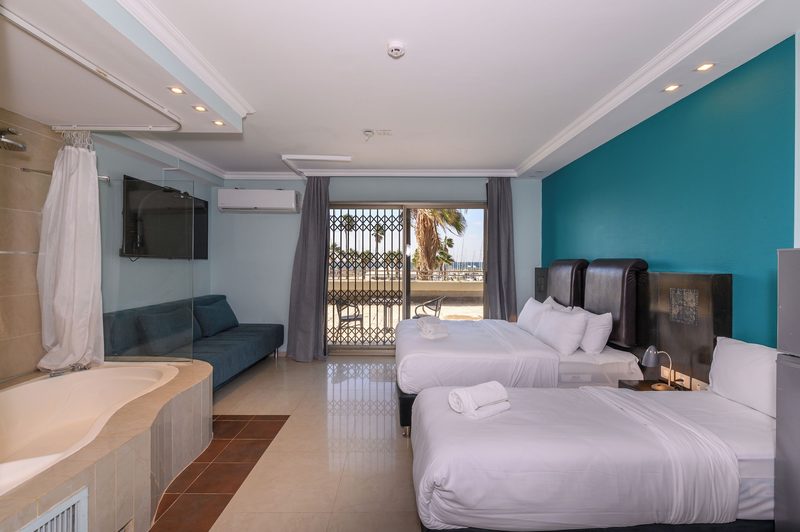
Hand-picked hotels across price tiers for February travellers.
Packing Checklist
Bookmark this page — your progress is saved between visits
Need the full list with shopping links?
Climate-specific gear, brand recommendations, and what to leave at home.
View Israel Packing List →Essential Tips
Insider knowledge and common pitfalls to avoid
Insider Knowledge
Locals head to the Dead Sea or Hamat Gader hot springs in February. Cool air against warm, mineral-rich water is the entire point.
Birdwatchers, this is your month. The Hula Valley anchors a major migration route. Thousands of cranes taking off at dawn is memorable. The sound stays with you.
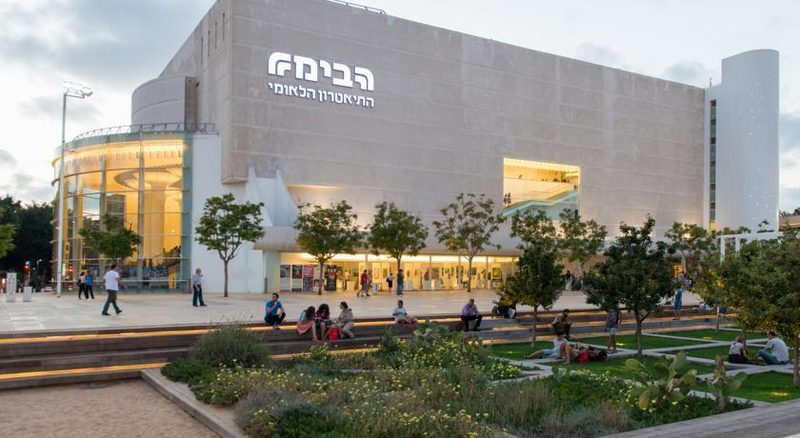
Museums here know how to do cafes right. The Israel Museum in Jerusalem and the Tel Aviv Museum of Art both hide excellent, cozy spots. Good for escaping a rainy afternoon.
Rain kills your outdoor plans? Head to Florentin. Tel Aviv's third-wave coffee scene is no joke. Grab a window seat. Watch the storm roll over the Mediterranean.
Avoid These Mistakes
Packing for 'Mediterranean' weather alone is a rookie error. You will freeze after dark. Jerusalem and the desert get cold. Pack layers.
Trying to cram too much into one day is foolish here. Daylight hours shrink. Weather delays happen. Slow down. Build in buffer time.
Never assume Saturday runs like any other day. Shabbat changes everything. Public transport stops at Friday sunset. Many businesses close. Plan around it. Schedule museum visits or nature hikes for Saturdays instead.
Ready to plan your trip to Israel?
Now that you've got the research covered, here's where to go next.
Explore More Activities in Israel
Didn't see anything interesting yet?
Browse Viator's full catalog of tours, day trips, food experiences, and private guides in Israel.
See All Israel Tours on Viator