Things to Do in Israel in November
November weather, activities, events & insider tips
Shoulder Season · Good Value
November Weather in Israel
Long-run averages for November in Tel Aviv Yafo
76°F (25°C)
High Temp
60°F (16°C)
Low Temp
2.1 inches (53 mm)
Rainfall
67%
Humidity
4
Rainy Days
4
Sunny-Day UV
⚠ Flash floods are a genuine, sudden danger in desert wadis (dry riverbeds) after rainfall in the hills. Never enter a narrow canyon if rain is forecast upstream, and heed all warning signs and closures in places like Ein Gedi or the Dead Sea area.
Making the most of November in Israel? Browse tours and activities in Israel on GetYourGuide.
Is November Right for You?
Weigh the advantages and considerations before booking
Advantages
- + Summer's heat has faded. But the Mediterranean remains swimmable. Tel Aviv's water holds steady at 75°F (24°C). The beaches sit empty, finally free of August's sunburned crowds. Worth it.
- + Olive harvest season, *Masa Zeitim*, hits the hill country now. Villages across Galilee and Samaria fill with the earthy, peppery scent of crushed fruit. Family presses welcome visitors. Dip warm pita into oil fresh from the stone.
- + The *Yoreh* arrives. Usually it comes overnight, a dramatic downpour that scrubs summer dust from Jerusalem stone. Afterward, the air carries wet pine and damp earth. Mornings turn crisp. Visibility clears completely.
- + Jerusalem's major religious sites calm down after Passover and Easter. You can stand in the Church of the Holy Sepulchre without getting jostled. Prayers at the Western Wall feel intimate now. The murmur carries.
Considerations
- − Daylight shrinks fast. By late November, sunset hits before 5 PM. Hiking days in Ein Gedi or Galilee end abruptly. Evening strolls through Jaffa's lanes get cut short. Pack a headlamp.
- − That first rain plays hard to get. Sometimes it's one spectacular storm. Sometimes it brings a week of grey, damp chill that seeps into unheated hostel stone. Indoor backup plans matter. Book them.
- − The Sea of Galilee hits its annual low. A wide, muddy shoreline emerges. Local anglers wade through it. Tourists find it less than photogenic. Boat tours still run. Biblical vistas now frame exposed earth.
Short on time in November? See day trips around Israel on GetYourGuide.
Best Activities in November
Top things to do during your visit
November in Israel brings a shift in the air. The intense heat of summer gives way to autumn's temperate calm. Average highs hit 25°C, lows settle at 16°C. The light softens. The sun relents. Outdoor exploration becomes a pleasure again. You can walk ancient stone alleys. You can sit at cafe terraces without humidity pressing down. This is transition season. The first substantial rains arrive after months of aridity. Those 2.1 inches of average rainfall scent the earth with petrichor. They coax tentative green from dusty ground. Locals head to parks and trails. They savor these last reliably dry weekends before winter wetness sets in. For visitors, it is a window of atmospheric clarity and manageable crowds. It sits between peak tourist seasons. The rhythm of travel in Israel during November follows this agreeable weather. The climate itself becomes the event. Summer's fierce sun has retreated. Gentler warmth now suits full-day excursions. You'll see Jerusalem's golden limestone glowing under clear, pale blue sky. You'll feel cool breezes slipping through the Old City's narrow lanes. You'll hear the quieter pace as peak visitor numbers ebb. This is a month for substantive engagement with layered history and complex modern life. From revered archaeological sites to contemporary urban energy, all develops beneath a benevolent autumn sun.

Best seller! Jerusalem old city four quarters tour
guided_experienceThis guided experience provides structured access to four distinct quarters. You'll see polished flagstones on the Christian Quarter's Via Dolorosa. You'll hear workshop tools clattering in the Armenian Quarter's narrow lanes. You'll smell spice stalls spilling into the Muslim Quarter's souq. You'll feel solemn quiet at the Western Wall plaza in the Jewish Quarter.
It offers essential, curated framework for first-time visitors. They can comprehend the Old City's profound religious and cultural mosaic.
Insider tip: Wear sturdy, comfortable shoes with good grip. Worn limestone steps and slopes grow slick. Early season rain makes them worse.
This month: Milder November temperatures make extensive walking between quarters far more comfortable than summer heat

JERUSALEM private tour with ELAD VAZANA - Life in Israel & Palestine Then & Now
private_tourThis isn't standard historical recitation. It is conversation about contemporary life, framed by Jerusalem's physical landscape. Elad Vazana leads. The tour moves through neighborhoods and viewpoints. Personal narrative weaves with political and social context. You'll hear echoes of past conflicts in today's street conversations. You'll see modern cityscape layered over ancient maps.
It provides rare, subtle perspective on Jerusalem's living, breathing reality. This exists beyond ancient stones.
Insider tip: Come prepared with questions. The value lies in deep, personalized dialogue this private tour fosters.

Full-Day Private and Guided Tour of the Jerusalem's Old City
day_tripA full-day private immersion into the Old City allows depth and pace no group tour matches. Your guide lingers where interest sparks. Perhaps you'll feel cool air in a Crusader-era church. Perhaps you'll taste fresh, warm pita from a market bakery. Perhaps you'll decipher millennia of inscriptions at archaeological parks.
Complete flexibility and dedicated expertise turn a visit into profound personal discovery.
Insider tip: Discuss specific interests at the outset. Archaeology, theology, architecture, whatever draws you. This tailors the day intensely.

Private Tour Jerusalem Old City
private_tourSimilar in private nature, this tour focuses exclusively within Old City walls. It offers look at into labyrinthine heart. You adjust routes on the fly. Avoid thickest crowds at Church of the Holy Sepulchre. Find quiet courtyards for discussion. Absorb constant sensory flow of chanting, bell-ringing, call to prayer.
It delivers intimate, adaptable exploration of one of the world's most complex and charged urban spaces.
Insider tip: If possible, arrange guide-secured entry times to Dome of the Rock platform. Independent access for non-Muslims can be unpredictable.

Magical Walking Tour in Old City of Jerusalem
walking_tourThis walking tour emphasizes subtle magic and lesser-known corners. You might smell incense in a tiny Armenian chapel unknown to guidebooks. You might see dappled light in a secluded medieval courtyard. You might hear stories about stone archways holding forgotten tales.
It is designed for those seeking intimate stories and hidden details behind major monuments.
Insider tip: Keep your camera ready. Not just for grand vistas. Watch for small, poetic details. A carved symbol above a door. A cat sleeping in sunbeam on ancient step.

Explore Jerusalem's Old City
otherPositioned as exploration, this experience invites open-ended, inquisitive approach to Old City. It is less about checking sites off lists. It is more about engaging with environment. Perhaps you'll pause to watch a master potter at his wheel in the Armenian Quarter. Perhaps you'll sample tangy, crisp pickles from a market barrel.
It encourages personal adventure and curiosity within historic confines.
Insider tip: Let yourself get a little lost in souq's side alleys. Your guide stays nearby. Crowds thin there. Local commerce feels most authentic.
Where to Stay in Israel in November
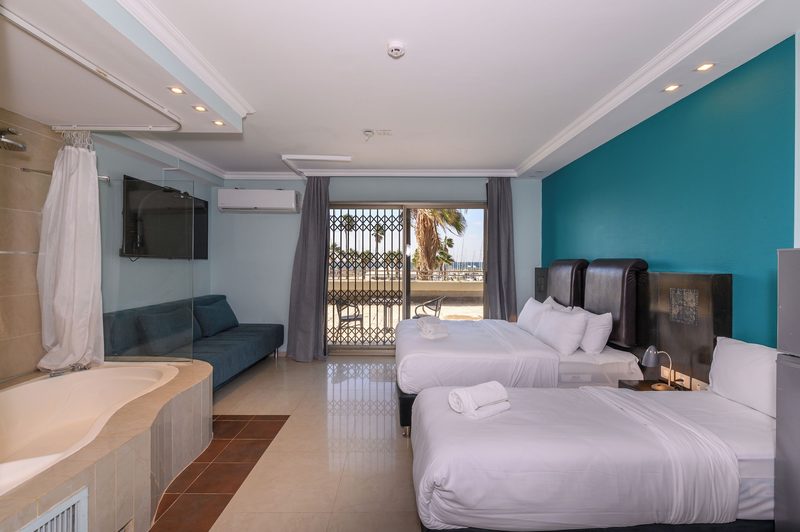
Hand-picked hotels across price tiers for November travellers.
Packing Checklist
Bookmark this page — your progress is saved between visits
Need the full list with shopping links?
Climate-specific gear, brand recommendations, and what to leave at home.
View Israel Packing List →Essential Tips
Insider knowledge and common pitfalls to avoid
Insider Knowledge
Friday afternoons in Jerusalem shut down hard for Shabbat. But in Tel Aviv, it's the start of a street party on the port or in Sarona Market. Your location choice for Friday night defines your weekend vibe.
The first rain often triggers a bloom of desert wildflowers, pink sand lilies, in the Negev. A week after a good downpour, take a drive south of Be'er Sheva to see it.
Many smaller, family-run restaurants in the Galilee or Akko close for a week or two in November for a post-holiday-season break. It's worth a quick phone call before making a pilgrimage for a specific dish.
Hotel prices in Eilat see a noticeable dip in November as the European beach season ends, making it a good time for a Red Sea snorkeling add-on without the peak-season resort crowds.
Avoid These Mistakes
Underestimating the travel time between regions. Tel Aviv to Masada is a solid 2-hour drive (120 km / 75 miles), and Galilee to Jerusalem another 2+ hours (160 km / 100 miles). Don't try to do both in one day.
Forgetting that many national parks and museums close early on Fridays (often 3 or 4 PM) and all day Saturday for Shabbat. Plan your museum days for Sunday-Thursday.
Packing only for 'warm' weather. The chill in Jerusalem or the Golan at night, in a stone-built hostel or a tzimmer (wooden cabin), is a damp, penetrating cold that surprises many.
Ready to plan your trip to Israel?
Now that you've got the research covered, here's where to go next.
Explore More Activities in Israel
Didn't see anything interesting yet?
Browse Viator's full catalog of tours, day trips, food experiences, and private guides in Israel.
See All Israel Tours on Viator